
Rehearsal as the Hidden Stage of Performance
Where Preparation, Discipline, and Creativity Converge.
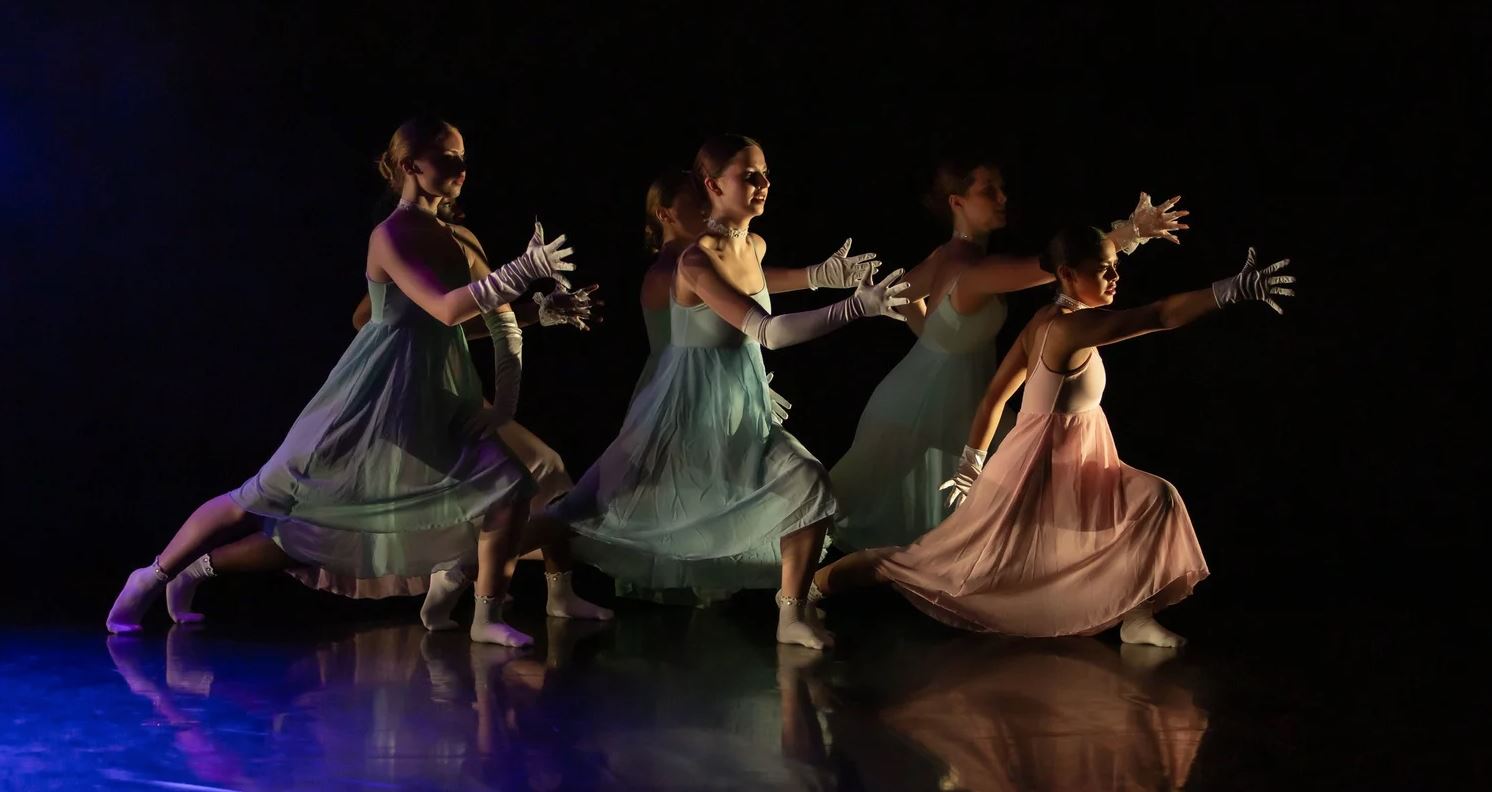
The Purpose of Rehearsal in the Performing Arts
Rehearsal is the invisible foundation of every performance. Audiences witness the final product—an effortless dance, a moving play, or a symphony that feels like second nature, but what they do not see is the countless hours of preparation that make such experiences possible. Rehearsal is not simply about memorizing steps, lines, or notes. It is the space where artists build trust, refine timing, test ideas, and discover nuance. For dancers, it is the repetition of sequences until movements become part of muscle memory. For actors, it is the endless reworking of tone, expression, and timing. For musicians, it is hours of scales and synchronization with others. Rehearsal is both laboratory and crucible, shaping raw material into artistry.
Discipline and Structure Behind the Scenes
While creativity flourishes in rehearsal, it cannot exist without structure. Every rehearsal is organized into phases designed to balance exploration with discipline. Warm-ups condition the body and prepare the mind, preventing injury and sharpening focus. Technical drills hone precision, whether it is a dancer practicing pirouettes or an actor refining diction. Run-throughs test stamina, while dress rehearsals simulate the final performance environment, complete with costumes, lighting, and sound. Structure also extends to scheduling. Rehearsals demand consistency and dedication, requiring performers to balance their personal lives with the rigorous demands of practice. Behind every breathtaking moment on stage lies this unseen discipline, a rhythm of repetition and refinement that ensures reliability when the curtain rises.
Collaboration as the Core of Rehearsal
No performance exists in isolation, and rehearsal is where collaboration truly takes root. Dancers must learn to move in harmony with one another, adjusting timing and spacing to create cohesion. Actors depend on the give-and-take of dialogue, finding meaning not in their lines alone but in the way they respond to others. Musicians rely on ensemble balance, listening as much as playing. In interdisciplinary works like musicals or operas, collaboration becomes even more complex, weaving together choreography, acting, and live music into a unified whole. Rehearsal is the safe space where mistakes can be made, corrected, and learned from collectively. The trust built here is what allows performers to take risks and share vulnerability during the actual performance.
The Emotional Landscape of Rehearsal
Beyond physical repetition and collaboration, rehearsal is also an emotional journey. It demands patience and resilience as progress often comes in incremental steps rather than immediate breakthroughs. For many performers, rehearsals are emotionally taxing, requiring them to confront vulnerability, frustration, and self-doubt. Yet they are also places of discovery, where joy emerges in moments of connection or when a sequence finally clicks. Directors and choreographers often push performers beyond their perceived limits, not to break them but to uncover deeper layers of expression. This emotional intensity bonds casts and ensembles, turning them into families united by shared struggle and triumph.
Innovation Through Rehearsal
Rehearsal is not only about perfecting what has been written or choreographed. It is often the birthplace of innovation. Choreographers may enter rehearsal with only a concept, developing movement in dialogue with dancers. Directors frequently adjust scripts or staging based on how actors embody their roles. Musicians experiment with tempo, dynamics, or interpretation until a piece feels alive. This creative flexibility ensures that rehearsals are not static processes but dynamic explorations. Some of the most iconic moments in performance history emerged not from initial scripts or plans but from improvisations and experiments during rehearsal. The process is as much about invention as it is about repetition.
The Role of Space and Environment
The environment of rehearsal profoundly shapes the process. Studios and rehearsal halls become sacred spaces where performers shed external distractions and immerse themselves in craft. Mirrors in dance studios allow performers to refine posture and alignment, while black box theaters offer actors flexible space for staging. The acoustics of rehearsal rooms influence how musicians adjust their sound. In full-scale productions, rehearsal eventually shifts into the performance venue, where adjustments are made for stage dimensions, lighting, and audience proximity. The rehearsal space is not merely a backdrop but an active participant, shaping comfort, creativity, and discipline.
The Transition to Performance
The culmination of rehearsal is the transition to performance, where private labor becomes public artistry. This transition is both exhilarating and daunting. Dress rehearsals simulate the full experience, complete with costumes, lighting, and technical cues, offering performers a final opportunity to align with the production’s vision. Yet even after weeks or months of rehearsal, the unpredictability of live performance means that flexibility remains essential. Rehearsal prepares performers not to replicate perfection but to adapt with confidence, ensuring that the essence of the work shines through regardless of unexpected challenges.
Rehearsal as the Soul of Performance
Rehearsal often takes place beyond the audience’s view, yet it forms the foundation of every performance. It is where discipline is tested, ideas are shaped through collaboration, and uncertainty is gradually transformed into confidence. While the stage presents the finished work, rehearsal is the environment in which it is developed, questioned, and refined over time. This process demands patience, repetition, and trust, allowing artistic intention to emerge through sustained effort. Every moment of clarity or impact witnessed in performance is supported by hours of unseen work, reminding us that the depth of the performing arts lies not only in presentation, but equally in the labor, risk, and commitment that precede it.