
Contact Through the Language of Performance
How Dance and the Performing Arts Create Human Connection.
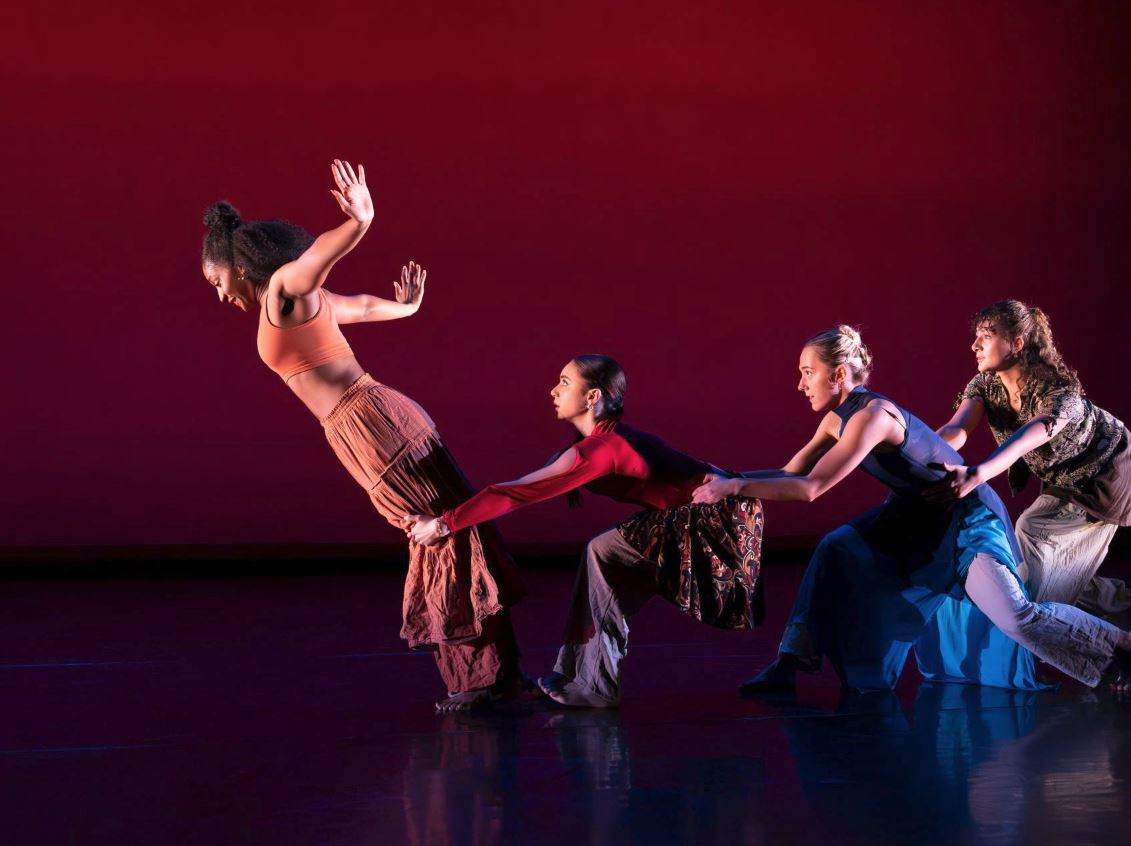
Performance as a Medium of Contact
In the realm of the performing arts, contact extends beyond the exchange of information. It is a profound human experience, woven into the ways dancers, choreographers, and audiences connect with one another. Every performance becomes an act of reaching out, of making contact through rhythm, gesture, and presence. A dancer’s extended hand, a musician’s pause, or an actor’s glance are all ways of initiating dialogue that words alone cannot achieve. In this sense, performance transforms into a living form of contact, offering not only entertainment but also a shared emotional language that unites people across boundaries of culture, language, and history.
The Choreography of Interaction
Contact is also literal in dance and choreography. Partner work, ensemble formations, and group improvisations are all built upon physical interaction. Contact improvisation, for example, emerged in the late 20th century as a practice where dancers move in constant dialogue, using the exchange of weight, balance, and touch as the foundation of creation. In traditional dance forms as well, physical contact conveys trust, harmony, and ritual significance, whether in the clasped hands of folk dances or the precise grips of ballet partnering. Choreographers often explore the possibilities of contact as both metaphor and technique, demonstrating how bodies moving together reveal deeper truths about human relationships.
Contact Between Artist and Audience
Perhaps the most powerful form of contact in the performing arts is the invisible line between artist and audience. This exchange is immediate and alive. Audiences may sit in silence, yet their presence influences the energy of performers, who often speak of feeling the atmosphere shift in response to applause, laughter, or even stillness. In some traditions, audiences actively join in, clapping to rhythms, singing along, or dancing with performers. In either case, performance is never a one-way gesture. It is a reciprocal act of communication, where performers give and audiences return with engagement, making every performance unique and unrepeatable.
Contact Across Cultures and Generations
Performing arts are powerful vehicles for cross-cultural contact. Through tours, festivals, and digital platforms, performances once limited to local stages now reach global audiences. A flamenco performance in Spain can inspire dancers in Tokyo, while a street dance born in New York may find new life in Nairobi. This cultural contact sparks innovation while also preserving tradition, creating a dynamic interplay between heritage and modernity. Performances also bridge generations. Elders teach traditional steps to younger dancers, passing down stories embedded in movement. Each repetition is not only an act of preservation but also a form of contact between past and future, ensuring continuity while embracing evolution.
Contact as Transformation
True contact through the arts often transforms both giver and receiver. Performers discover new aspects of themselves by embodying roles or pushing the limits of their craft. Audiences leave performances changed, whether subtly inspired or deeply moved. In therapeutic contexts, dance and performance serve as healing contact, allowing individuals to process trauma, build confidence, and reconnect with community. This transformative quality makes contact through performance not just an aesthetic experience but a deeply human necessity. It shows us that art is not separate from life but is one of its most vital forms of engagement.
Contact as the Foundation of Performance
Contact lies at the core of the performing arts. It is present in the way dancers respond to one another through movement, how performers communicate meaning to audiences without words, and how cultures engage through shared rhythm and physical expression. Contact transforms artistic practice from solitary creation into collective experience, allowing meaning to emerge through exchange and attention. By recognizing this principle, performance is understood not only as something observed, but as something that forms relationships, initiates dialogue, and affirms the human presence at the center of artistic expression.