
Dance as the Language of Movement
How Choreography and Performance Speak Beyond Words.
The Universality of Dance
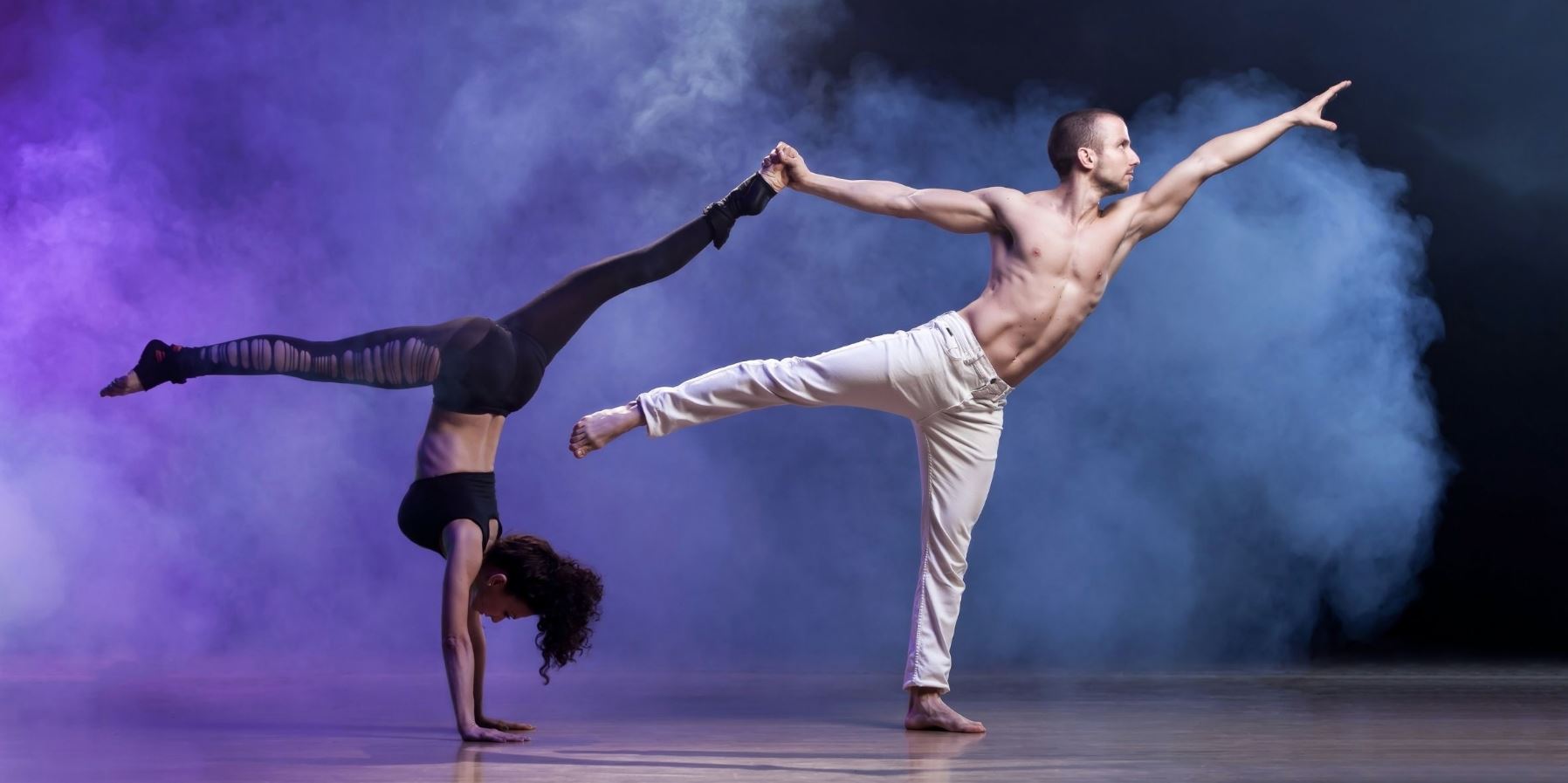
Dance is one of the oldest and most enduring forms of human expression. Before written language, people used movement to tell stories, express emotion, and connect with the divine. Across cultures, dance has served as ritual, celebration, protest, and art. From the ancient circle dances performed around fires to the intricate court dances of medieval Europe and the electrifying beats of modern hip hop, every culture has developed its own vocabulary of movement. What makes dance universal is its ability to transcend language barriers. A gesture, a rhythm, or a shared step can communicate emotions more powerfully than words. This universality allows dance to function as a bridge between people, a reminder that while our traditions differ, the impulse to move is deeply human.
Choreography as Storytelling
Choreography is the craft that transforms raw movement into structured art. It is where intention meets rhythm, and improvisation becomes narrative. A choreographer designs sequences that not only showcase physical skill but also embody themes and emotions. In ballet, the arc of a dancer’s leap can mirror the rise of hope, while in contemporary dance, the contortions of the body may capture inner conflict. Even street dance, with its improvisational energy, tells stories of resistance, identity, and community. Choreography shapes dance into performance, giving it coherence while leaving room for interpretation. Each movement becomes a word, and together they form a sentence, a paragraph, or even an epic poem written on the stage.
Dance and Identity
Dance is often a vessel of identity, both individual and collective. For individuals, movement can serve as self-expression, allowing emotions to surface without constraint. For communities, dance preserves heritage and reinforces belonging. Traditional dances, such as flamenco in Spain, Bharatanatyam in India, or the haka in New Zealand, embody centuries of history and cultural memory. These dances are more than performances; they are rituals of identity passed down across generations. At the same time, dance continually evolves, blending influences and creating new forms. Hip hop, for instance, emerged from the cultural identity of marginalized youth in the Bronx but has since spread worldwide, adapted into countless variations while retaining its core of expression and resistance.
Dance as a Social Connector
Throughout history, dance has brought people together in ways that few other arts can. Festivals, weddings, and community gatherings often feature dance as a central activity, creating bonds through rhythm and shared movement. Even in formal performances, the connection between dancers and audience creates a communal experience. Social dance forms like the waltz, salsa, or swing demonstrate how movement creates partnership and dialogue. In these dances, contact is not just physical but symbolic, representing trust, harmony, and the negotiation of roles. In the digital age, viral dance challenges on social media continue this tradition of connection, spreading shared rhythms across borders and creating global communities through simple sequences of movement.
Innovation and the Future of Dance
While dance is rooted in tradition, it constantly reinvents itself. Choreographers experiment with new forms, blending styles, incorporating technology, and pushing the boundaries of what the human body can express. Multimedia performances that merge dance with projection, virtual reality, or interactive soundscapes expand the possibilities of choreography. Yet innovation does not erase the past; it converses with it. Many modern works draw inspiration from traditional forms, reinterpreting them in new contexts. The future of dance lies in this interplay between continuity and creativity, where ancient rituals coexist with digital experimentation, proving that movement will always adapt to reflect the human experience.
Dance as Embodied Knowledge
Anthropologists and performing arts scholars often describe dance as embodied knowledge. It is not just an art form but a way of knowing the world through the body. Movements carry within them history, values, and memory. A dancer trained in classical ballet learns not only steps but also discipline, posture, and a philosophy of beauty. A child taught traditional folk dance learns cultural stories encoded in rhythm and gesture. This embodied knowledge ensures that dance is not only a performance for others but a practice of self-awareness, identity, and learning. Dance teaches us that the body itself is a vessel of culture and wisdom.
The Endless Pulse of Dance
Dance is one of humanity’s oldest and most enduring forms of expression. It exists at the intersection of art, ritual, and identity, bringing people together through rhythm, movement, and shared meaning. Choreography shapes motion into structure and narrative, yet the core of dance remains direct and immediate, an embodied response to emotion and experience. Whether performed on formal stages, within community spaces, or through digital mediums, dance continues to adapt to changing contexts while retaining its expressive power. Across cultures and generations, it remains a vital means of communication, carrying creativity, memory, and connection through the language of movement.